
Henry Evans, who suffers from severe quadriplegia, attempts to use the Stretch RE1 Robot as a surrogate for body parts he can no longer control. 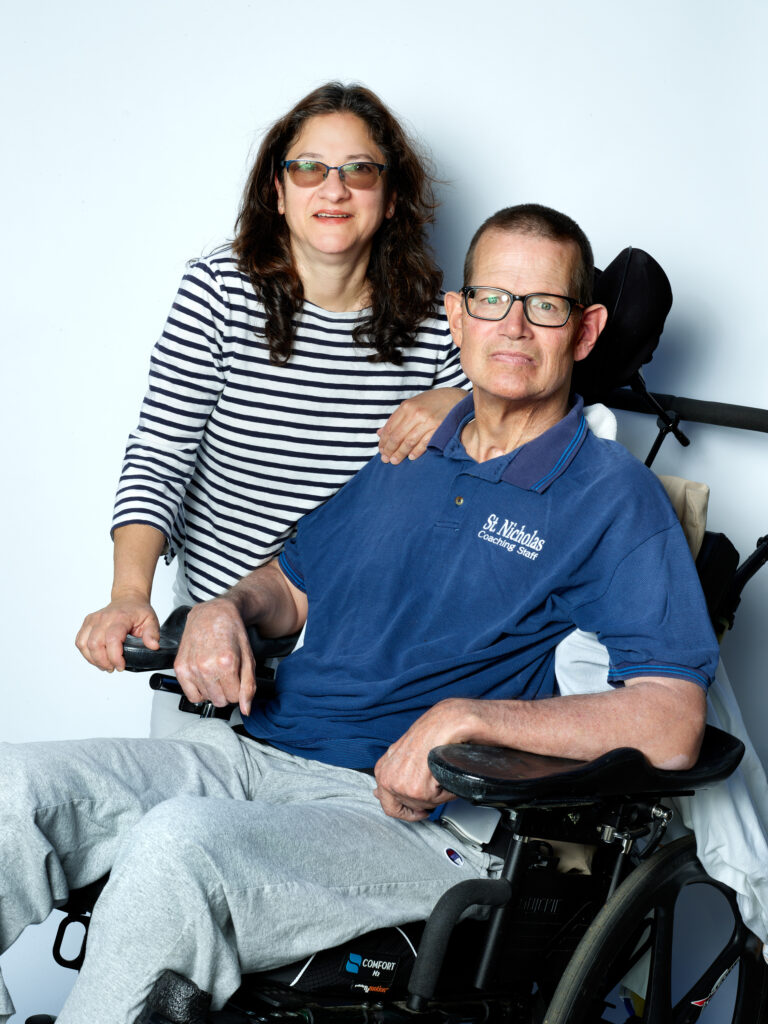
At age 40, Henry Evans suffered a massive stroke that left him mute and with severe quadriplegia. Over the last twenty years he and his wife Jane have pioneered the use of robotics for performing Henry’s “activities of daily living”. The couple have sinse become tireless advocates for the disabled via Robots for Humanity which they founded to share their work with the world. 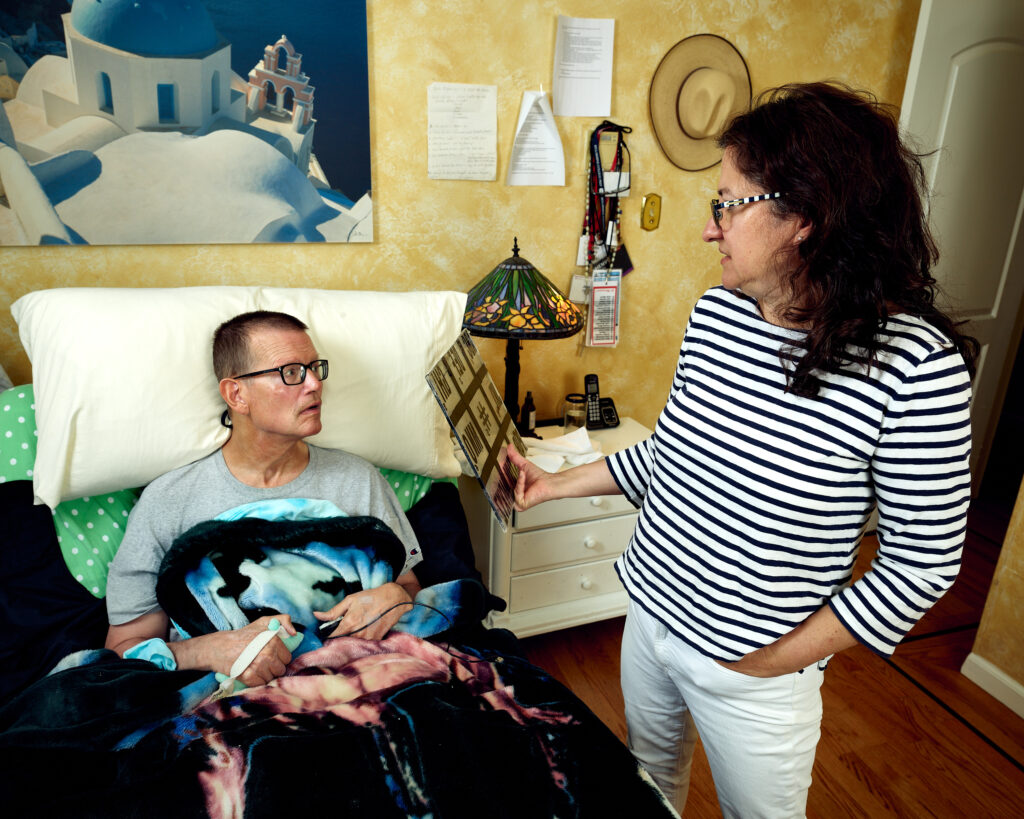
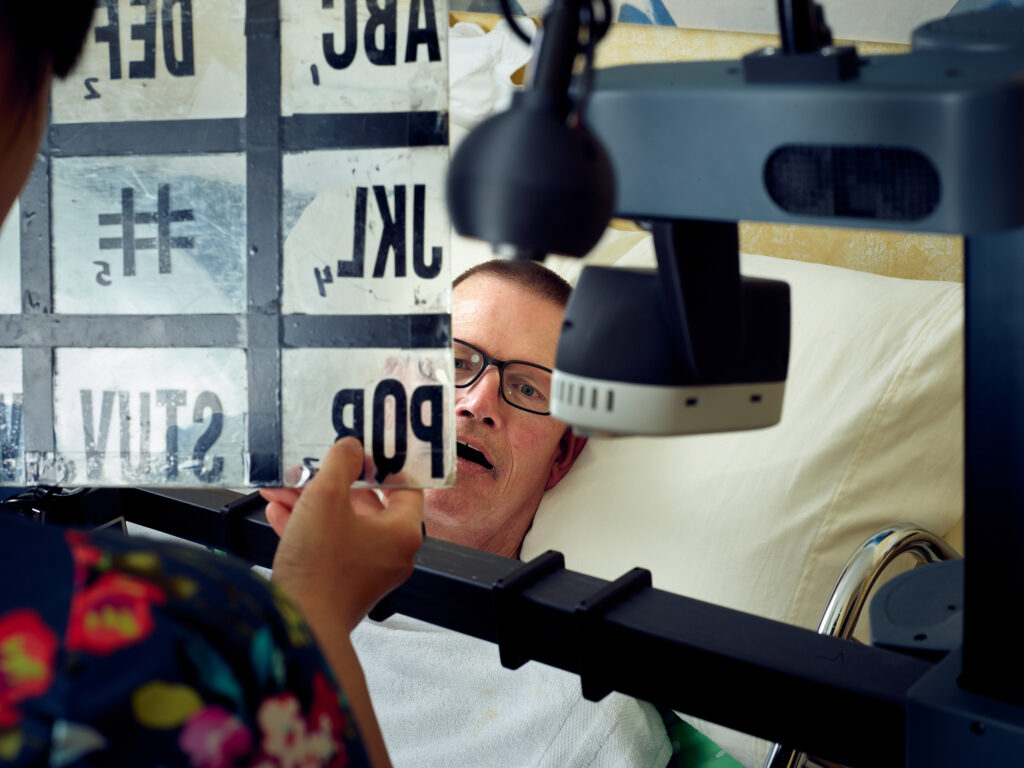
Henry Evans communicates with his wife Jane by selecting letters from a “letter board”. The two have developed such an uncanny ability to communicate this way that they often don’t need the physical board. 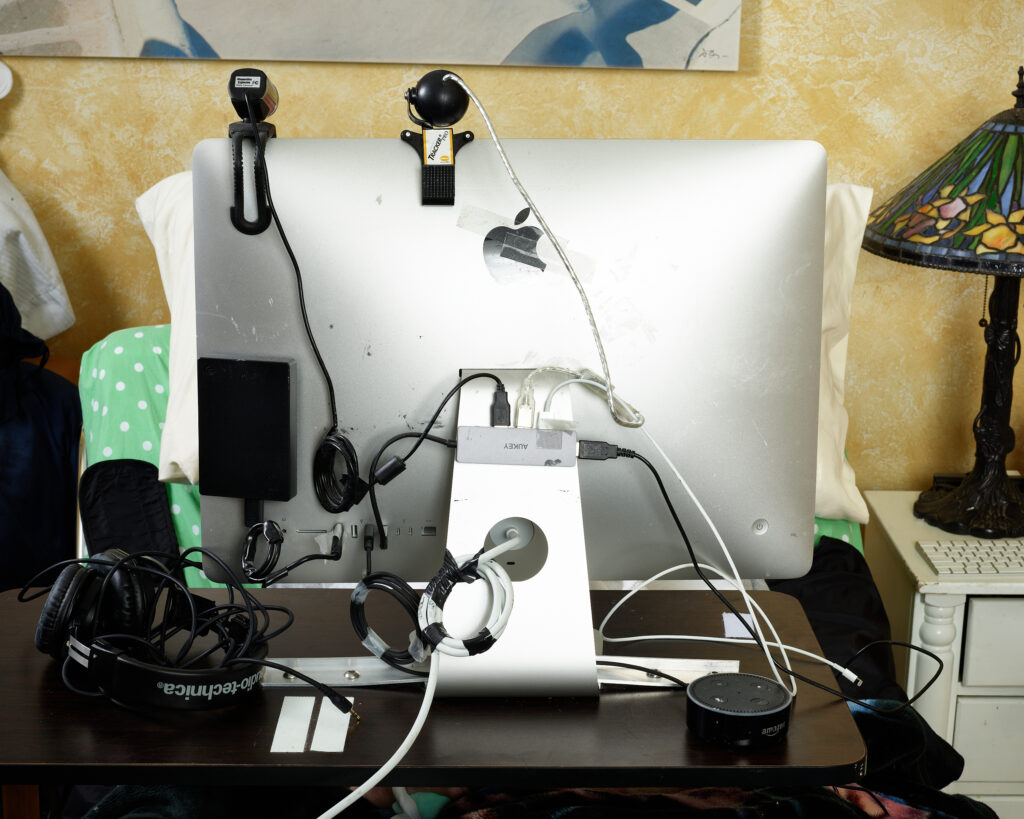
The back side of Henry Evans computer is equipped with a specialized head tracking device that he uses to control the cursor as if he were moving the mouse or trackpad with his hands. Despite his severe quadriplegia, Henry is able to type up to 15 words per minute using this device in combination with a special onscreen keyboard. 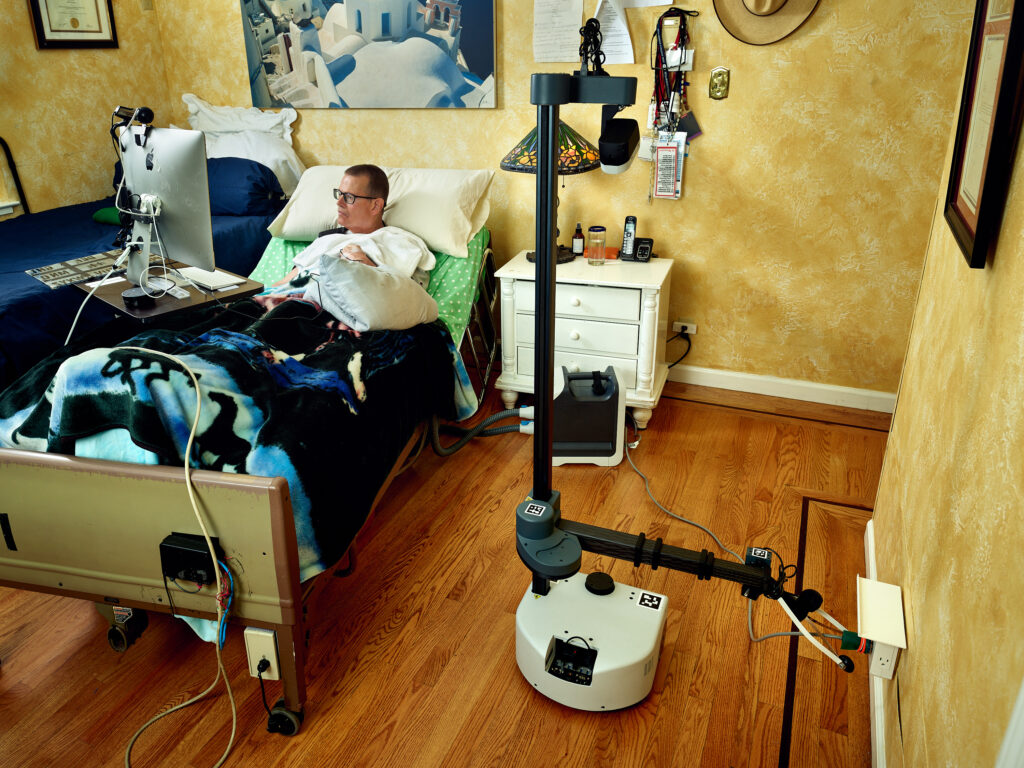
Henry Evans, who suffers from severe quadriplegia, carefully pilots the Stretch RE1 robot to unplug the power cord of his chest percussion machine. This precautionary safety exercise is practiced in the event of a problem while he is unattended. 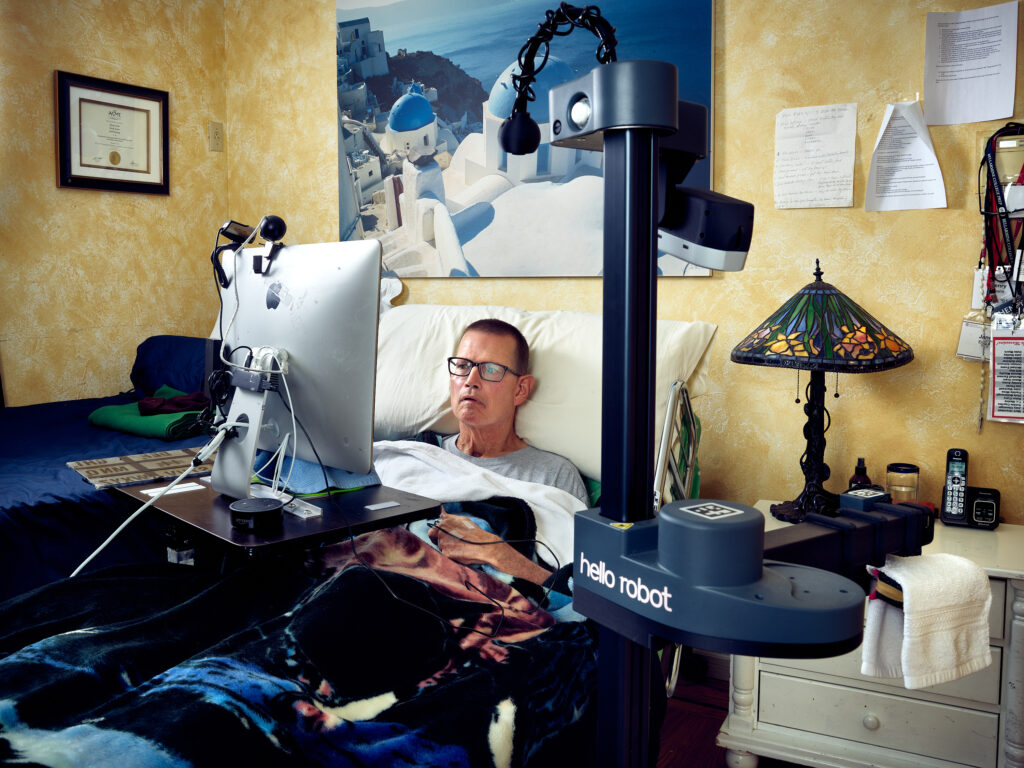
Henry Evans, who suffers from severe quadriplegia, attempts to use the Stretch RE1 robot as a surrogate for body parts he can no longer control. 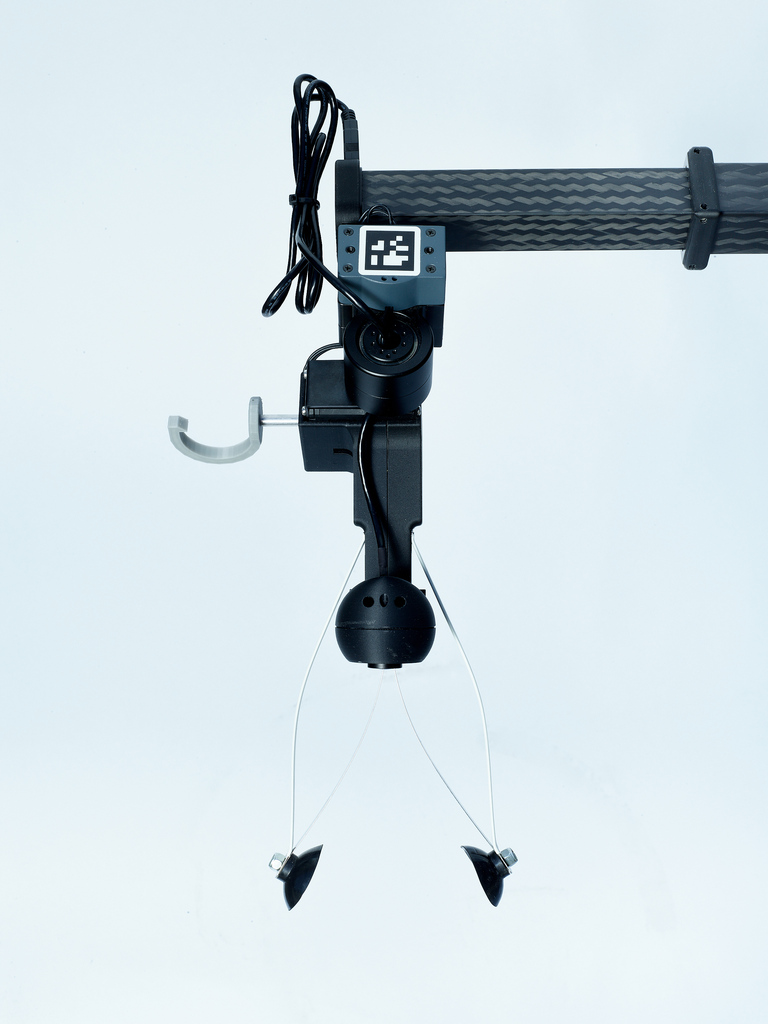
The grasper of the Stretch RE1 mobile manipulator robot from Hello Robot, inc. 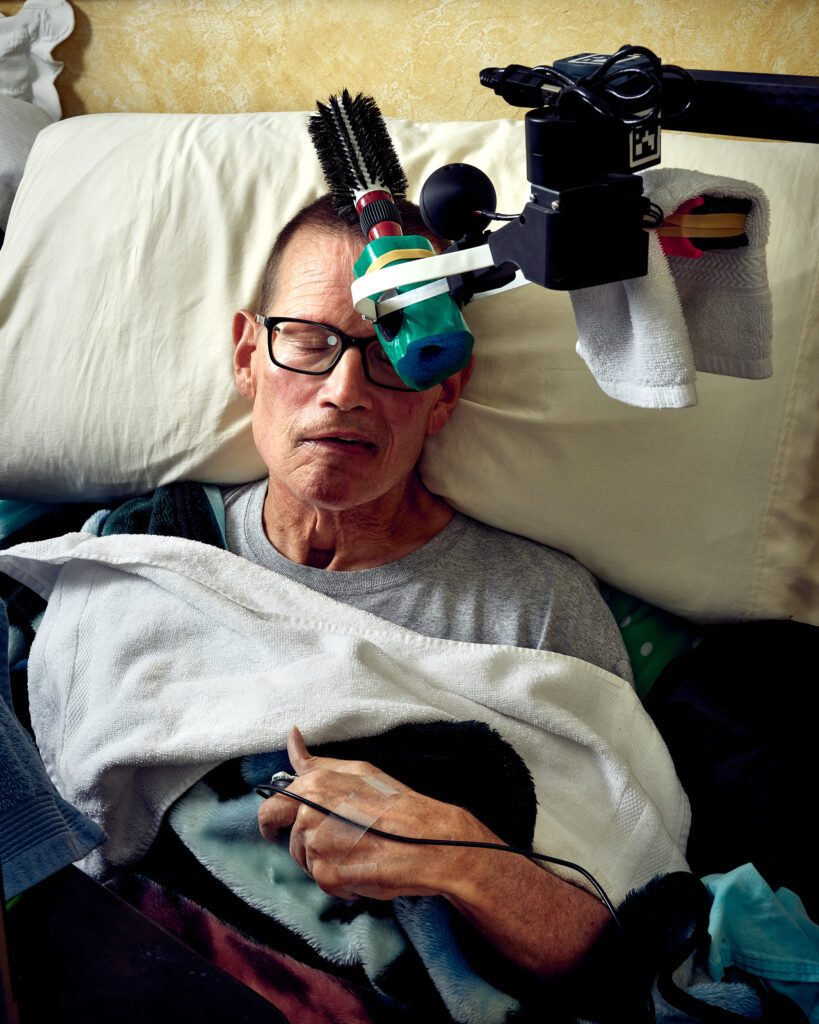
Henry Evans enjoying some much needed relief as he uses the Stretch RE1 to scratch an itch on his forehead. This is one of the many “activities of daily living” that Henry is attempting to use robotics to perform for himself. 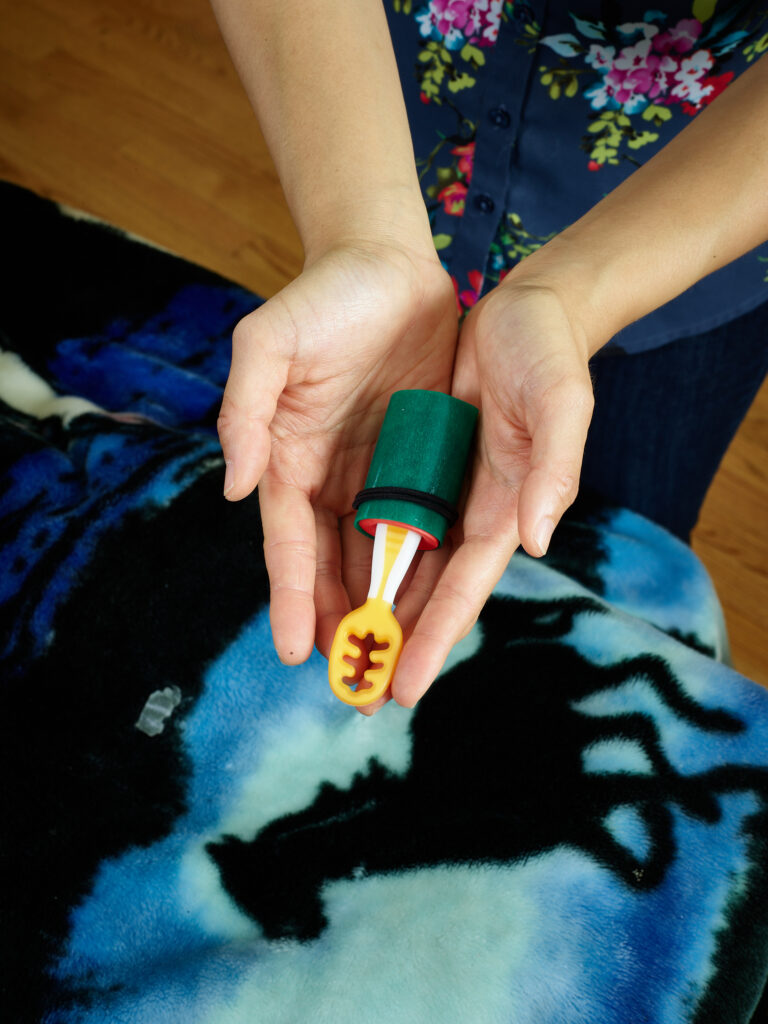
Researcher Vy Nguyen holds a spoon attachment she has created for the Stretch RE1 robot. The tool is part of a test to see if Henry Evans, who suffers from severe quadriplegia, can use Stretch to feed himself. 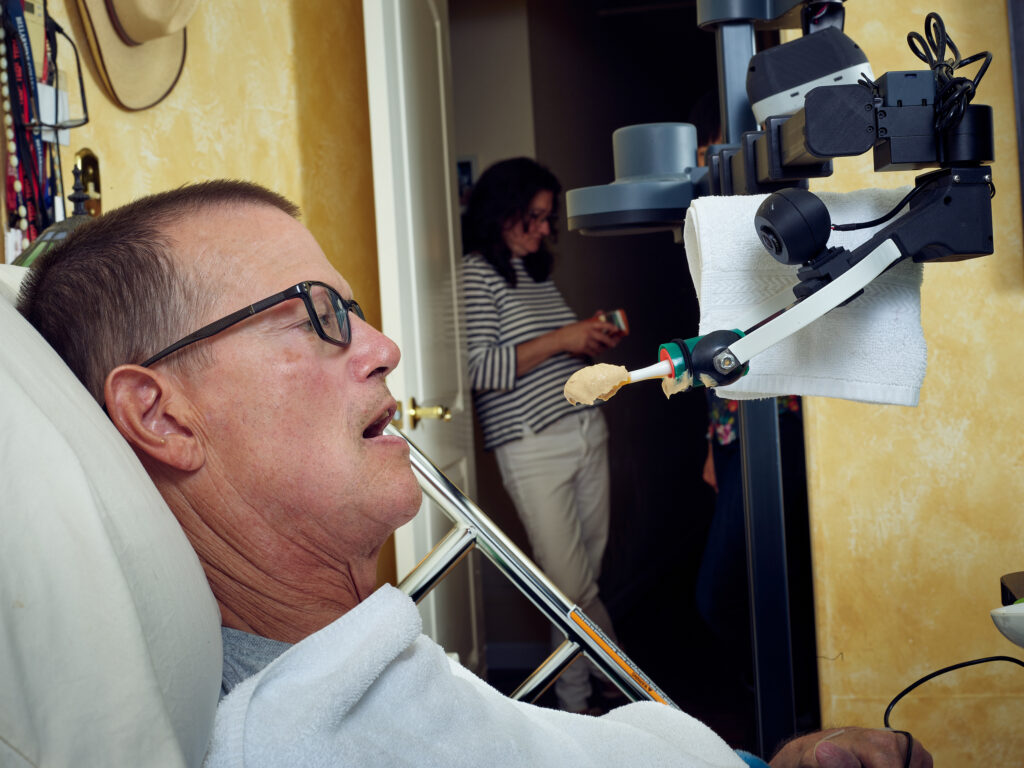
Henry Evans uses the Stretch RE1 to feed himself while his wife Jane watches from the hallway. Feeding is one of many “activities of daily living” Henry is using the robot to perform for himself. 
Vy Nguyen – robotics Researcher. 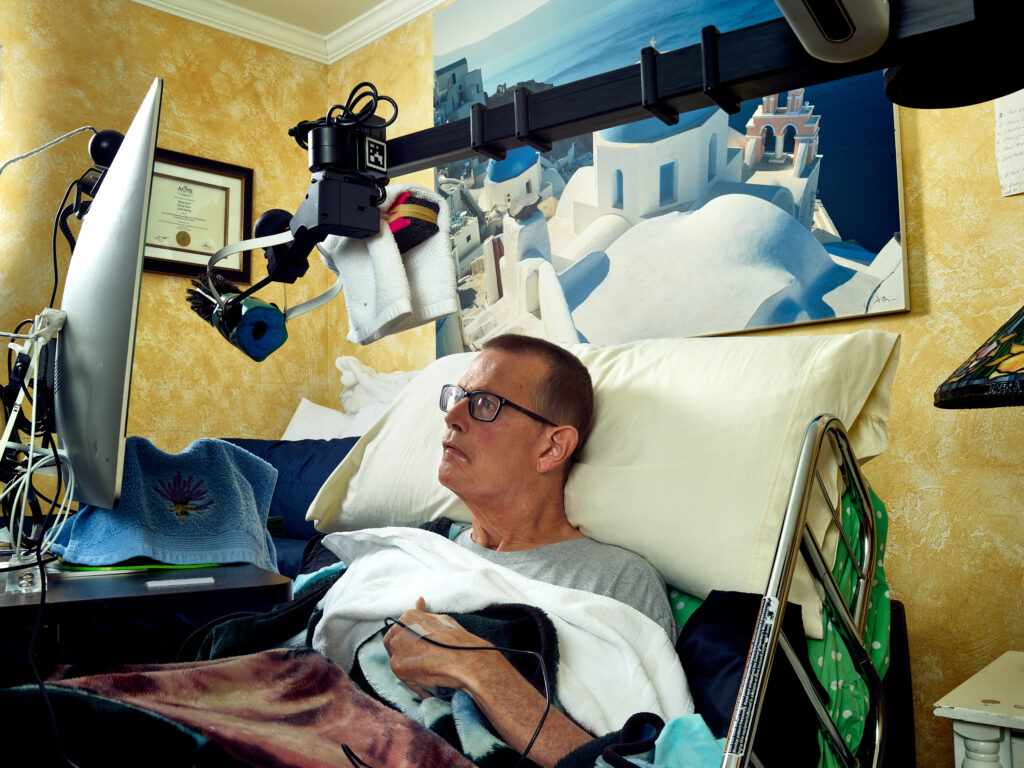
Henry Evans prepares to use the Stretch RE1 robot to brush his own hair. This is one of the many “activities of daily living” that Henry is attempting to use robotics to perform for himself. 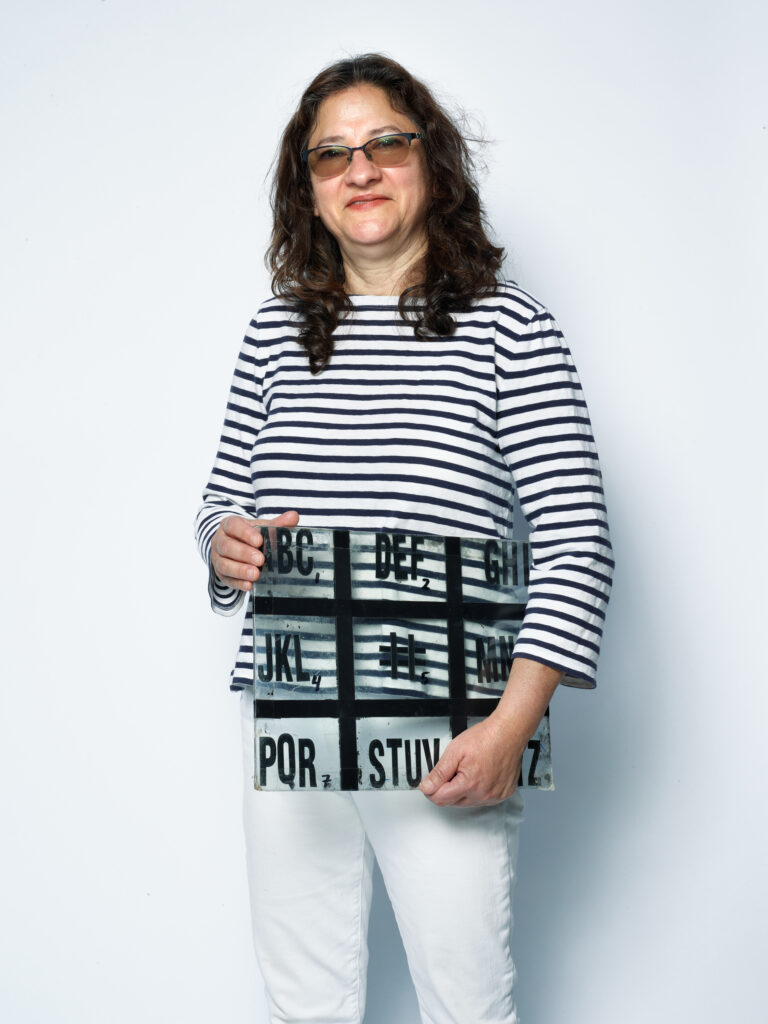
Jane Evans holding a “letter board” that she uses to communicate with her husband Henry, who at age 40, suffered a massive stroke that left him mute and with severe quadriplegia. Over the last twenty years they have pioneered the use of robotics for performing Henry’s “activities of daily living” and founded Robots for Humanity to share their work with the world. 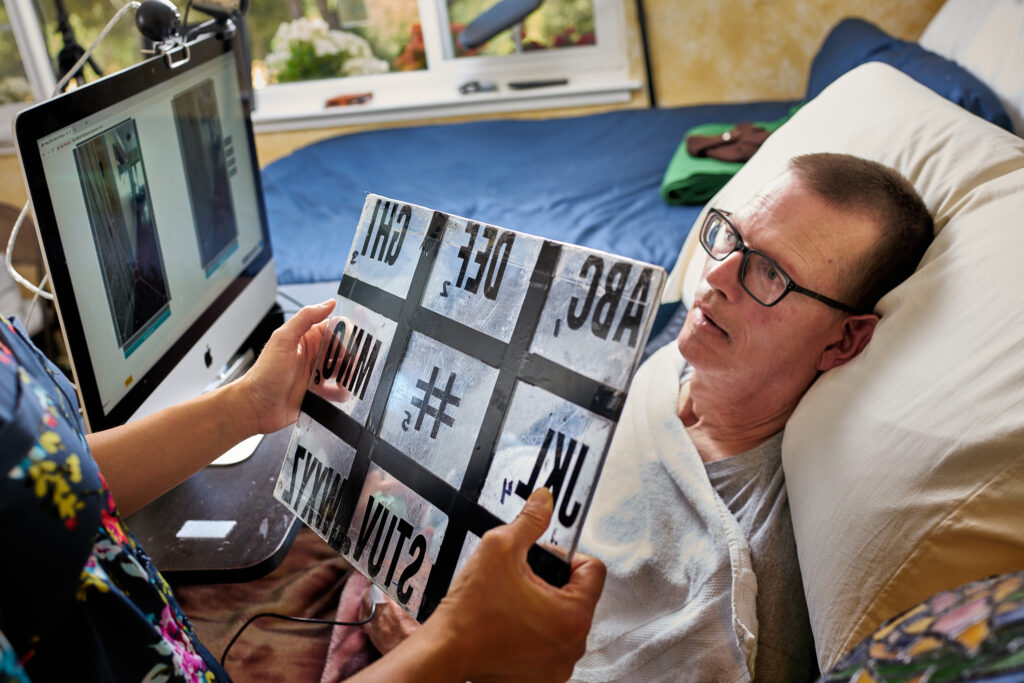
Henry Evans communicates with researcher Vy Nguyen (using a letter board) about piloting the Stetch RE1 robot. Henry is able to control the robot using a head tracking devices that allows him to move the cursor of a computer as if he were using a mouse or trackpad with his hands. 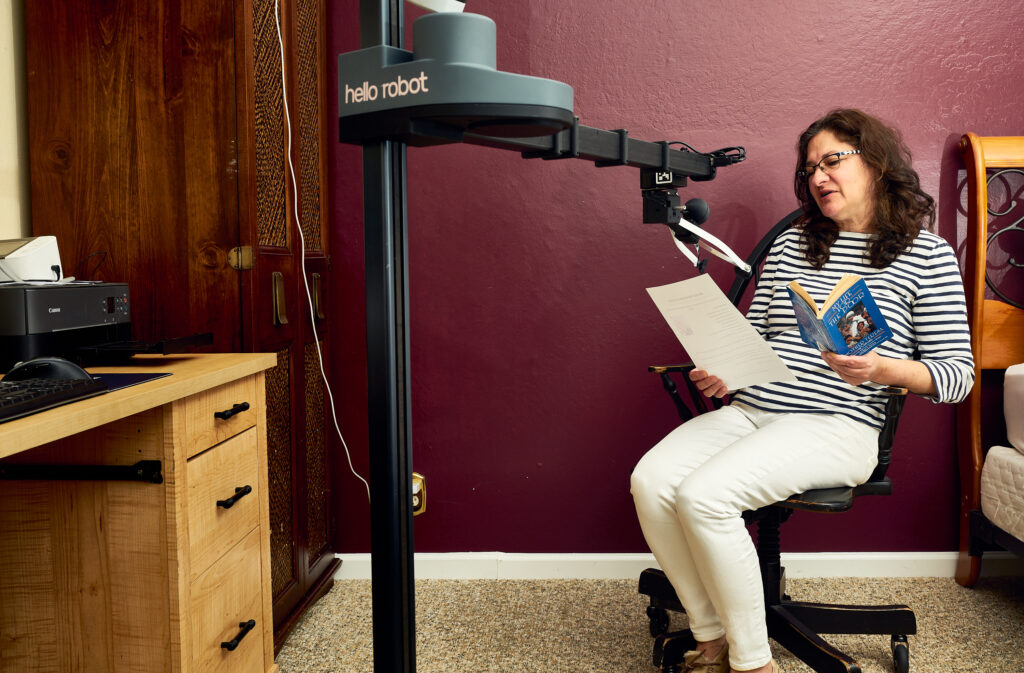
Henry Evans uses the Stretch RE1 mobile manipulator robot to print a recipe and deliver it from the printer to his wife in another room. Henry, who suffers from severe quadriplegia, is attempting to use the robot as a surrogate for body parts he can no longer control. 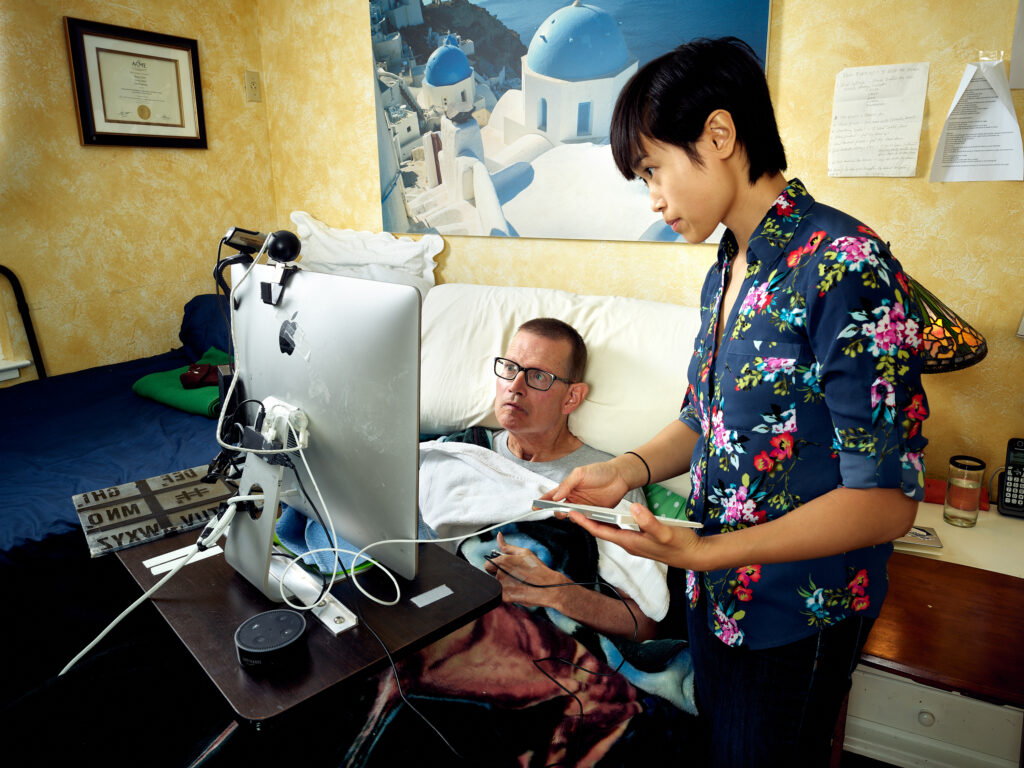
Researcher Vy Nguyen works with Henry Evans to adjust the software for piloting the Stretch RE1 robot. Henry, who suffers from severe quadriplegia, is attempting to use Stretch as a surrogate for body parts he can no longer control. 
Henry Evans carefully guides the Stretch RE1 robot to pick up a rose and deliver it to his wife Jane in another room. Henry, who suffers from severe quadriplegia, is pioneering the use of the robot as a surrogate for body parts he can no longer control. 
Henry Evans pilots the Stretch RE 1 robot to deliver a rose to his wife Jane in their living room. The robot’s cameras and microphone allow Henry, who suffers from severe quadriplegia, to see and hear her reaction on his computer. 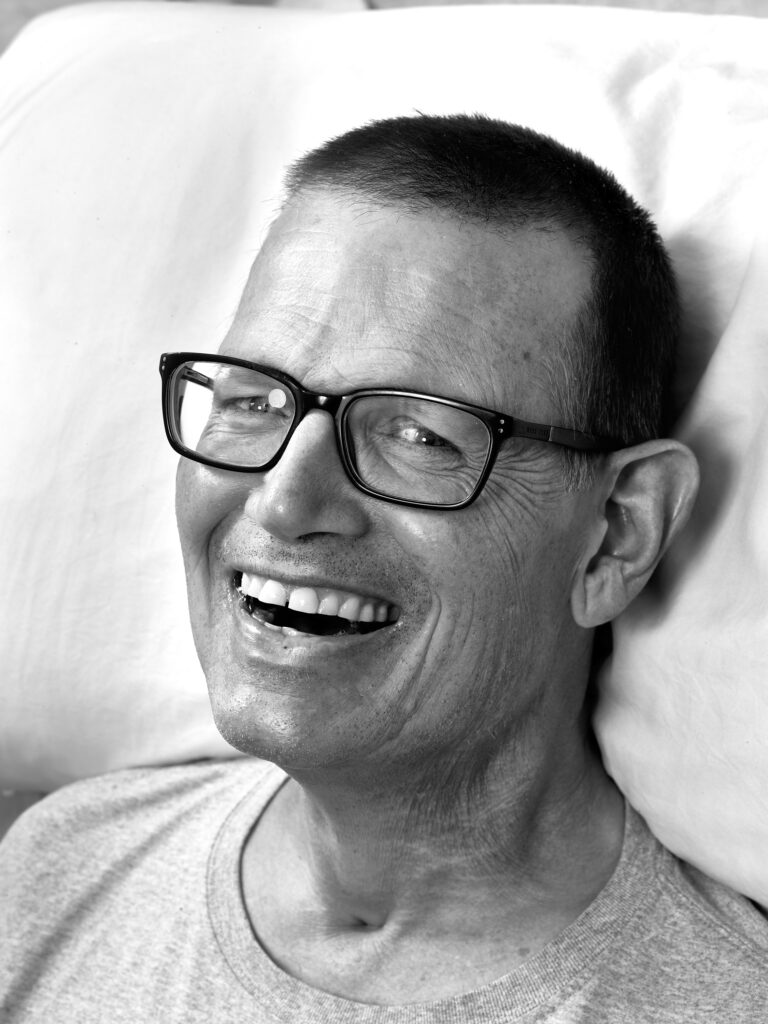
At age 40, henry Evans suffered a massive stroke that left him mute and with severe quadriplegia. Over the last twenty years he and his wife Jane have pioneered the use of robotics for performing Henry’s “activities of daily living”. During that time the two have become tireless advocates for the disabled via Robots for Humanity which they founded to share their work. 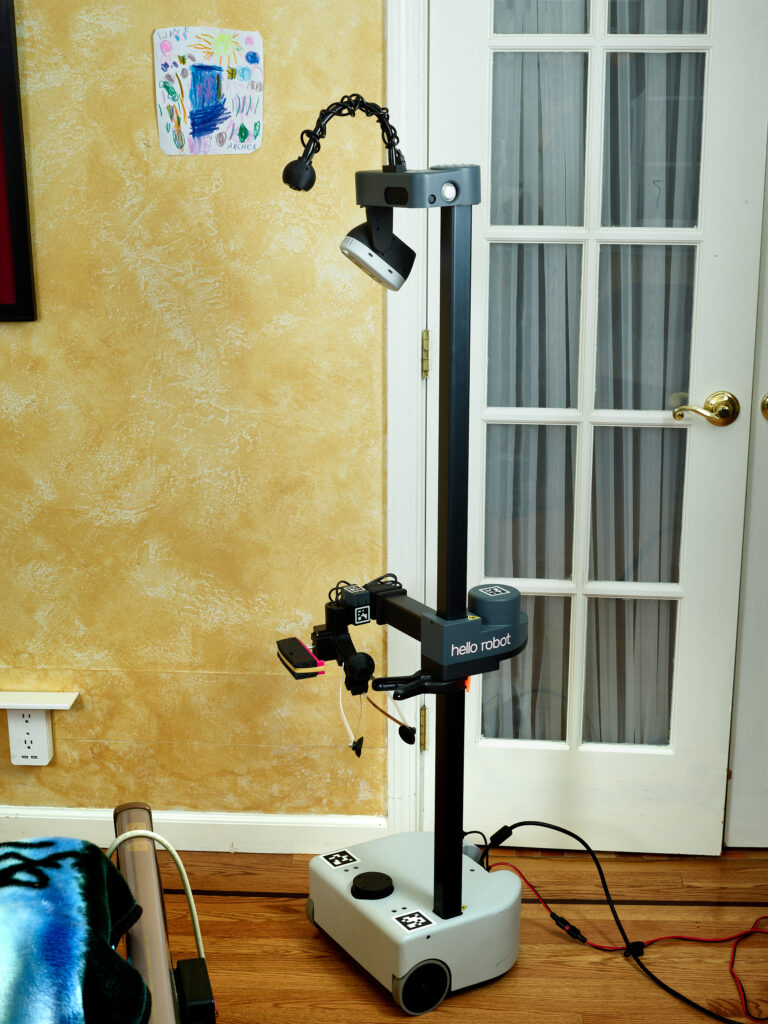
The Stretch RE1 mobile manipulator from Hello Robot, Inc. is equipped with touch sensors, microphones, a depth camera, a laser range finder, as well as an extensible arm. Seen here in the bedroom of Henry Evans who suffers from severe quadriplegia. Henry is attempting to use the robot as a surrogate for body parts he can no longer control.
This story was first published in the November 23rd, 2021 edition of The Washington Post.
In 2002, at age 40, Henry Evans suffered a massive stroke that left him mute and with severe quadriplegia. Since then, other than his ability to turn his head and the limited use of one finger, he lies paralyzed in bed.
Henry cannot speak, but he can communicate with his eyes, using a “letter board” to painstakingly spell out words letter by letter by shifting his glance, which his wife, Jane, strings together into sentences. Henry, now 60, and Jane, 58, have developed such an uncanny ability to communicate this way that they no longer need an actual letter board.
Henry can also communicate with the outside world using a small reflective dot affixed to his glasses. The dot, which tracks his head movements, moves the cursor of a computer as if he were using a mouse or trackpad with his hands. Combined with a special on-screen keyboard, he can type up to 15 words per minute and dash off emails — which he did several times with me as we were coordinating our time together.
Like others with a severe disability, Henry is dependent on caretakers to help him eat, shower, move about, even scratch an itch.
You could say that scratching an itch is what led Henry to robotics. After seeing a TV interview with health-care roboticist Charlie Kemp, Henry reached out to see whether Kemp had used robots to serve as extensions or surrogates for body parts. The result has been a 20-year collaboration between them, with Henry acting as a beta tester of the robots that Kemp and others create.
By leveraging their work with some of the top minds in robotics, Henry and Jane have become tireless advocates for the disabled, openly sharing their research and experience via their organization, Robots for Humanity.
The day I arrived at Henry’s house this past summer, he was testing Kemp’s newest robot — the Stretch RE1. Stretch was much smaller and more capable than other robots Henry had worked with in the past. Weighing 51 pounds, Stretch was almost entirely a robotic arm that moved up and down a four-foot shaft. A small motorized base enabled the robot to maneuver into tight places where it could “stretch” its arm up to 20 inches outward to grasp or deliver objects.
Assisted by Vy Nguyen, an occupational therapy doctoral candidate from Pacific University, Henry had already spent weeks learning the ins and outs of the new robot. And now they were going to put it through its paces for me by performing several tasks.
The first was for Henry to attempt to unplug his percussion machine — which helps loosen chest secretions to keep his airways clear — from the wall socket.
Henry explained this was for his safety just in case something went wrong with the machine while no helpers were around and Henry was unattended. I originally didn’t think much of the task until I saw what went into piloting a robot to grasp something as flimsy as a power cord.
As the day went on, the tasks got more complex. Henry used Stretch to scratch an itch, brush his hair and, eventually, feed himself. But I’ll probably remember the final task forever. Henry wanted to do something for Jane. Being a bit of a romantic, he used Stretch to pick up a rose from his bedside table and bring it to Jane, who was down the hall in their living room.
The robot was doing far more for Henry than taking care of his body. It was also feeding his soul.